



There is a growing emphasis on so-called “emotional assets,” such as “empathy” with consumers and “emotional connections,” as key elements in shaping corporate and brand value. Against this backdrop, the potential for IP to contribute to value creation across a wide range of companies could be said to be truly significant.
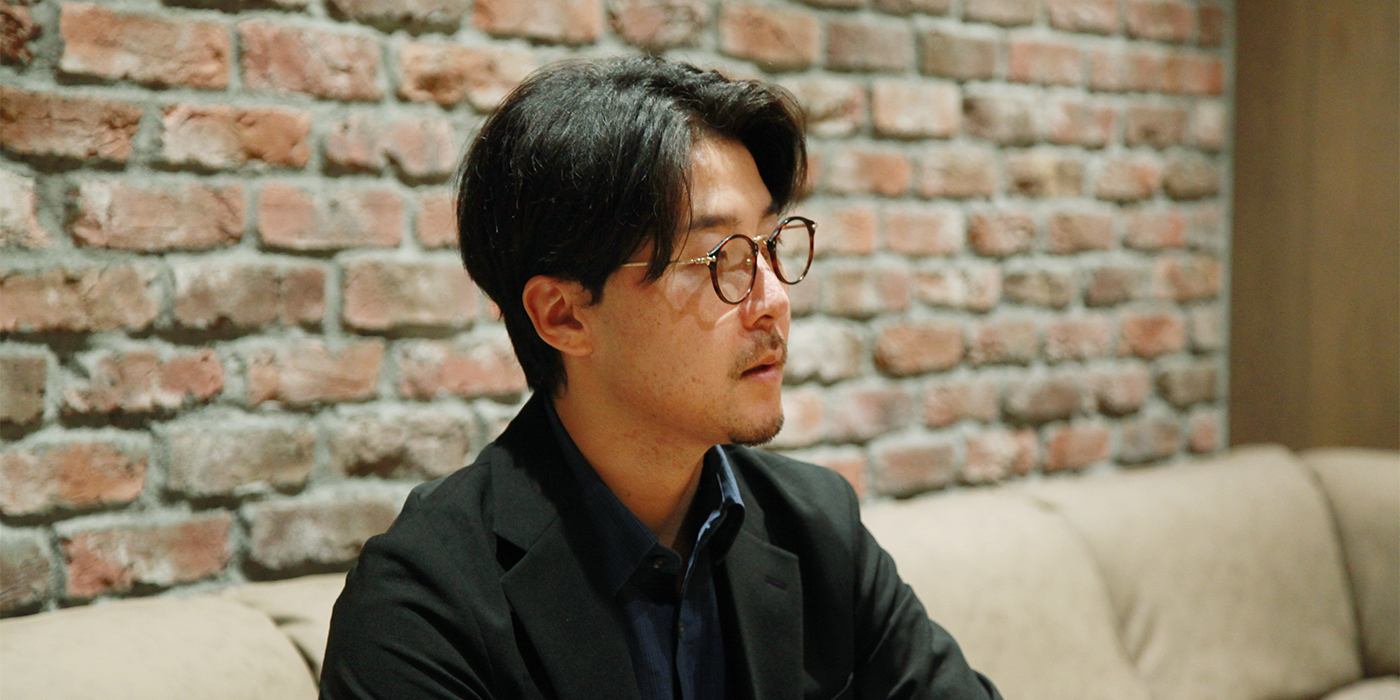
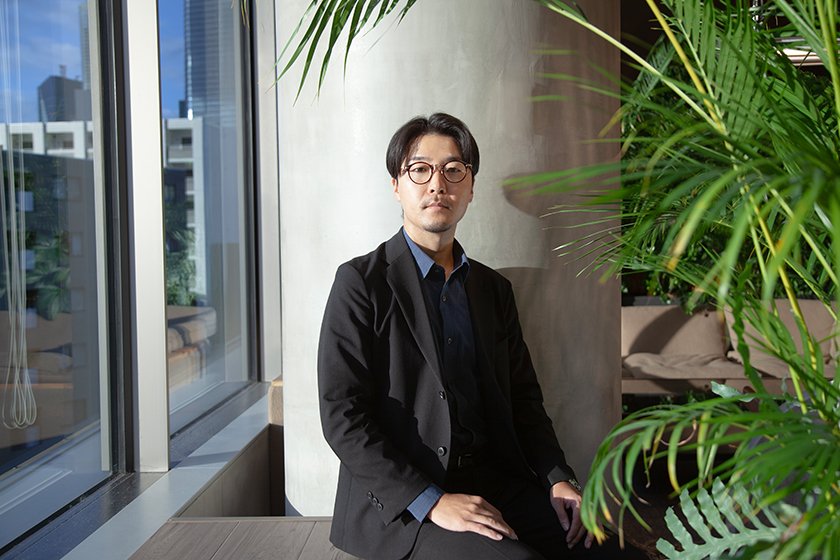
Avex Alliance & Partners Inc. (AAP) is advancing initiatives that enhance both corporate and IP value through collaborations that leverage the IP assets held by the Avex Group. We spoke with Shungo Morishita of AAP about the effectiveness of the “power of IP” in addressing corporate challenges.
Collaboration Companies and
Brands with IP:
As “Partners,” Not Sponsors
"As the term “Information Overload Syndrome” has become a point of discussion, the saturation of information in modern society is becoming increasingly severe. As a result, I feel it has become particularly evident that consumers are developing aversion to, or actively blocking, corporate promotional and advertising messages."
As the primary platforms for delivering information have shifted from mass media to social media, corporate promotional activities have likewise evolved. Rather than one-way communication via traditional media, greater emphasis is now placed on enabling consumers themselves to share and amplify the appeal of products and services through social networks. What drives this process are consumers’ genuine feelings of “empathy” and “excitement,” in other words, a sense of “liking.”
"As a breakthrough in this environment, collaborations with content and IP hold tremendous potential. Engaging with IP that has a dedicated fandom, such as music artists, events, models and media personalities, anime, and films, can directly contribute to enhancing corporate value."

On the other hand, promoting corporate value and problem-solving through the use of IP can also be said to lead to the maximization of the IP’s own value.
"Of course, monetization through collaborations between companies and IP plays a role in supporting the business performance of each IP. Beyond that, IP can also add a sense of “prestige” and project an image of active engagement, thereby enhancing the brand value of the IP itself."
Collaboration between companies and IP is only successful when it brings benefits to both parties. "In addition to solving corporate challenges, we want to be an organization that can also contribute to increasing the value of IP," says Morishita.
Presenting IP-driven solutions to corporate challenges, this vision of alliance building is where AAP has seen great potential. At the same time, recent years have also been a period in which the company was forced to move away from traditional sales models. Morishita describes this shift in mindset as follows:
"In the past, companies we formed alliances with were often positioned more as “sponsors” or “supporters.” For example, the traditional approach was content-led: determining how much funding an artist would need to hold a live performance, and then seeking out companies willing to provide support."
A major turning point came with the COVID-19 pandemic. Stay-at-home measures accelerated digitalization, and the primary battleground for advertising initiatives rapidly shifted to digital platforms. As cost-effectiveness became clearly visible, evaluations of results grew even more rigorous. Under these conditions, AAP pivoted away from the traditional model of assigning sponsors to individual IPs, instead choosing to engage with companies from a broader perspective and build problem-solving–oriented alliances.
"Our stance shifted from viewing companies as “sponsors” or “supporters” to engaging with them as “clients” or “customers.” By listening closely to corporate challenges and the status of their products, we began setting clear goals and accelerating efforts to design the most effective solutions to reach them, integrating content and IP into that process."
From “sponsor” to “client.” He says that as of 2025, the relationship has shifted to a "good balance" somewhere between these approaches.
"In recent years, I feel that the center of gravity has shifted back from an alliance model that was entirely customer-first and focused solely on solving corporate challenges, to a position of equal footing between the company and the IP. The relationship has evolved from “clients” to “partners,” where companies and IP collaborate to explore how they can mutually elevate each other’s value."
A Shift In Sales Mindset:
Turning Attention to Partners’ Business Perspectives
Through repeated trial and error, AAP has continued to explore how best to engage with corporate partners. The accumulation of changes in mindset and attitude among each employee has driven this shift in approach.
In conventional alliances, companies or advertising agencies typically took the lead in planning. However, to generate solutions to corporate challenges, it became necessary for AAP itself to step forward and take ownership of shaping the overall scenario.
"This required a company-wide shift in mindset among our sales teams, and it was by no means easy. Beyond rethinking traditional license sales methods, we invested in building foundational marketing knowledge through both internal and external training sessions. At the organizational level, we also established a dedicated strategic planning unit. As a result, we have built a dual structure that brings together a business development team focused on client growth and a strategy team responsible for strategic planning and design."
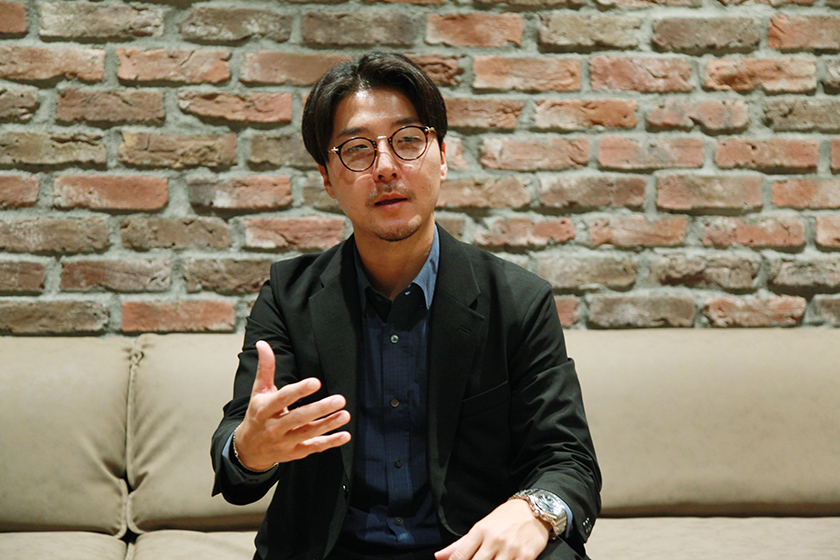
Amid these changes, the approach to sales itself has also evolved, moving away from the traditional, so-called “entertainmentindustry–style” sales model.
"Traditionally, our sales approach was fundamentally about promoting our own offerings, emphasizing the breadth and richness of the IP we held, along with our track record and notable achievements. It was a catalog-driven model, where we looked for companies that showed interest in what we had to offer."
Turning attention to a partner company’s business, accurately identifying their challenges, and then taking appropriate action—this principal mindset has now become ingrained in each and every employee.
That said, understanding a company’s challenges is by no means easy. Moreover, presenting the potential of IP as an “effective solution” requires a deep, high-resolution understanding of the diverse range of IP assets held by the Group.
"It has become increasingly important to identify, one by one, where each of our IPs holds a competitive advantage and what benefits can be realized by leveraging it. Our sales materials have also evolved to better convey factors such as an IP’s track record and quality through past corporate collaborations, the demographics of its fan base, and the strength of its engagement."
Unafraid of transforming itself, AAP has continued to explore the forms of alliance most needed in today’s environment.
Next, let's take a look at some examples of their work to date.
“Morinaga Milk Industry / Philadelphia Dessert”
A Campaign Leveraging the Power of Passionate Fandom

This campaign was developed to coincide with the launch of a new product in the cheese dessert line, “Philadelphia Dessert.”By appointing Atsuki Mashiko of the dance and vocal group GENIC as brand ambassador and actively engaging his highly passionate fan base, the campaign successfully increased brand awareness and stimulated purchase intent.
"With several similar products already on the market, it was a challenging environment in which to establish a strong presence. In that context, the power of fandom became a key breakthrough. We structured the campaign around placing a personality with strong affinity to our target audience at the center, and expanding the initiative outward from there."
In addition to PR events, Mashiko’s own social media outreach proved highly effective. The brand’s official accounts deployed communications that resonated deeply with fan psychology, while the must-buy campaign prize “an Atsuki Mashiko Acrylic Stand with Voice Messages” generated significant excitement within the fandom, energizing the social media feeds across the community.
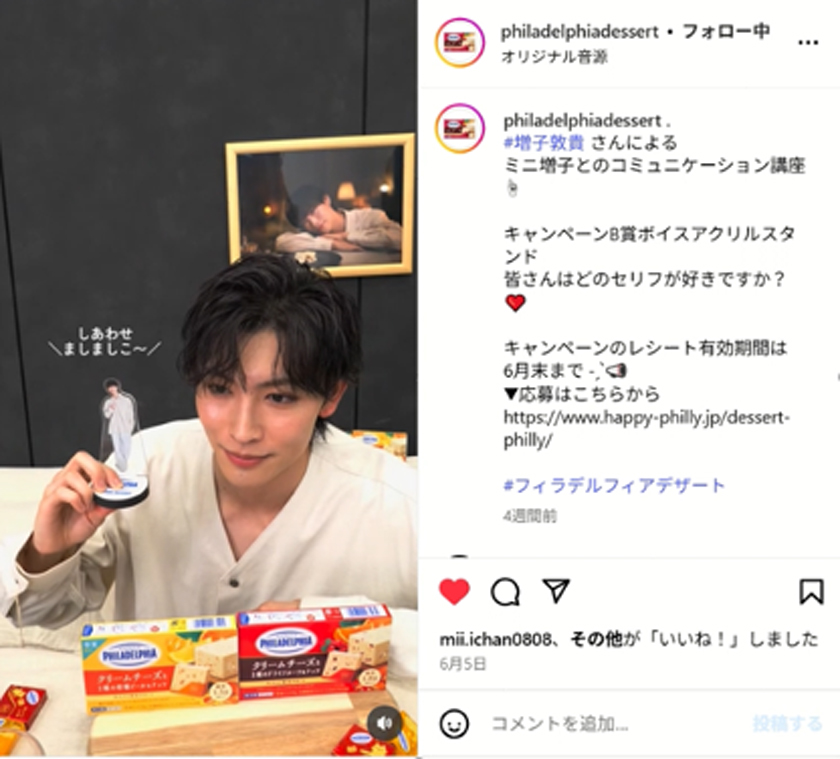
"I’m pleased to hear that this initiative is now being spoken of as a success story even within our partner, Morinaga Milk Industry. I believe it stands as a strong example of placing IP at the center of the strategy and fully leveraging it through execution,"
“Koikeya / Pure Potato Oni no Utage”
An Unlikely Collaboration Between a Viral SNS Hit Song and Potato Chips
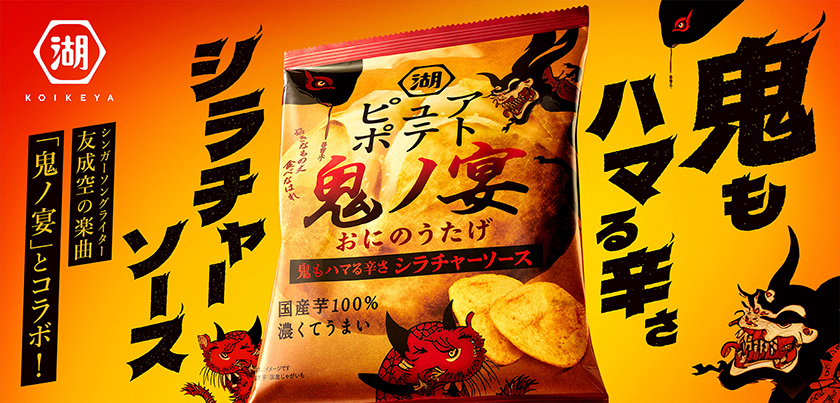
After becoming popular among younger audiences on TikTok, Sora Tomonari’s song “Oni no Utage” emerged as one of 2024’s defining viral hits. This unlikely collaboration paired the song’s highly addictive aesthetic with a new, equally addictive flavor from Koikeya’s “Pure Potato” line. By further exploring the potential of a socially trending song from the previous year, the initiative ultimately evolved into a full-scale brand tie-up.
"With new products being launched almost every month across the industry, even new releases risk being overlooked. In that environment, our partner Koikeya was seeking a fresh approach, something that clearly differentiated them from the rest."
From the product name and packaging to a commercial with a music-video-like atmosphere and the accompanying media exposure, the collaboration pushed the integration between the song and the product to its limits. On the corporate side, there was also a strong commitment to fully embracing the song’s unique worldview, an attitude of “if we’re going to do it, let’s go all the way,” which proved to be a key factor in the collaboration’s success.
The collaboration also provided significant benefits to the artist, with “Oni no Utage” emerging as a local viral hit that still had room to expand to a wider audience.
"In fact, some consumers had never heard of “Oni no Utage,” yet the campaign generated strong engagement through commercials, pop-up events, and QR codes on the back of the packaging. I believe we were able to build an ideal relationship in which the song not only enhanced the value of the product, but also elevated the profile of Sora Tomonari himself."
Beyond this, AAP has carried out a variety of other successful alliances, including a collaboration with “ASICS WORKING,” a brand specializing in work and safety shoes, as well as a joint promotion between “Mizkan / Kantan Vinegar Series” and the music groups THE RAMPAGE & FANTASTICS.
Beyond Problem-Solving:
A Partnership that Explores Possibilities
One of AAP’s future goals is to leverage the success stories it has steadily built and the insights gained from them to expand its efforts more broadly. Looking ahead, Morishita believes the key to AAP’s continued success lies in maintaining a “high-resolution” perspective on both the company and its IP.
"When it comes to solving corporate marketing challenges, I believe that deepening our understanding of the client’s brand is more important than anything else,” Morishita explains. “By clearly identifying what the true issues are and considering how different approaches might resonate with the target audience, we can think with a high level of resolution. Only then does the point of connection—the adhesive surface, so to speak—between a brand and an IP begin to come into view."
He carefully considers where the key points of appeal lie and how different IPs can be combined to deliver an effective solution. Morishita emphasizes the importance of thoughtfully forming hypotheses and methodically building initiatives around them.
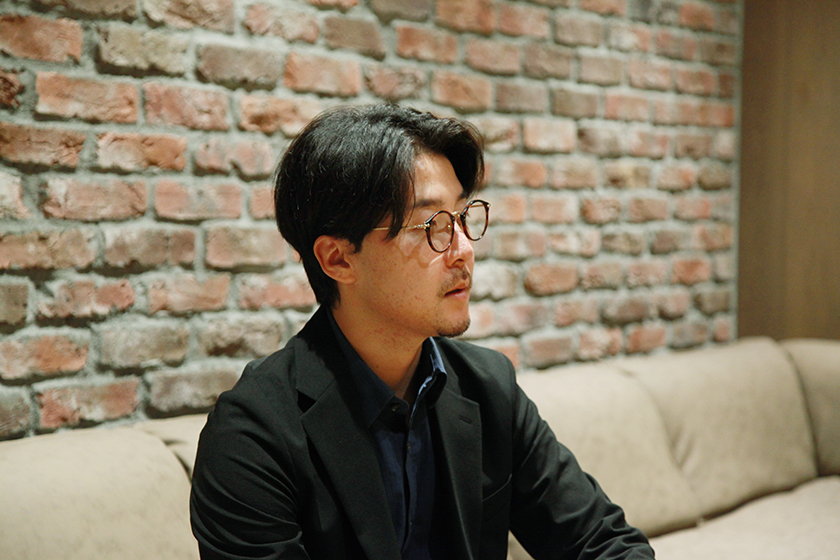
"We can’t make proposals driven by big data in the same way major advertising agencies do. Instead, our approach relies on what we call thick data rather than big data. We place great importance on the concept of “N1”, the depth of passion and emotion of a single individual. While analyzing overall trends is certainly important, shifts in entertainment culture always begin with personal, individual enthusiasm. I believe Avex has been built on a culture that values these deeply “personal feelings.”"
Avex’s DNA, which honors genuine passion for music, anime, movies, actors, and celebrities, has been passed down to AAP. This is evident in their consistent care for fandoms and commitment to protecting the value of IP.
"It’s crucial to have a deep, nuanced understanding of both the IP we collaborate with and the fans behind it. There are campaigns that risk damaging an IP’s brand or simply consuming its value for monetization. That merely strips value from the IP and turns it into cash. We always strive to build alliances that function as “investments,” not “consumption.”"
Focusing solely on short-term profits cannot be considered a business that truly respects IP. Each initiative must serve to strengthen the emotional connection to the IP and support its continued growth. If the essence of an alliance is enhancing each other’s potential, then the true value of collaboration might lie in opening “possibilities” for both the IP and the partner.
"I want us to approach partnerships not just as a way to “solve problems,” but as a means of “exploring new possibilities together.” That, to me, is the essence of a partnership."
While creating solutions to business challenges, AAP also keeps its eye on the future possibilities for both companies and IP.
The goal of any single initiative may be to “solve a problem,” but AAP’s ultimate aim lies in the future “possibilities” that emerge as a result. Working with partners and diverse IP to expand the possibilities of entertainment is, in many ways, a direct reflection of Avex’s DNA.



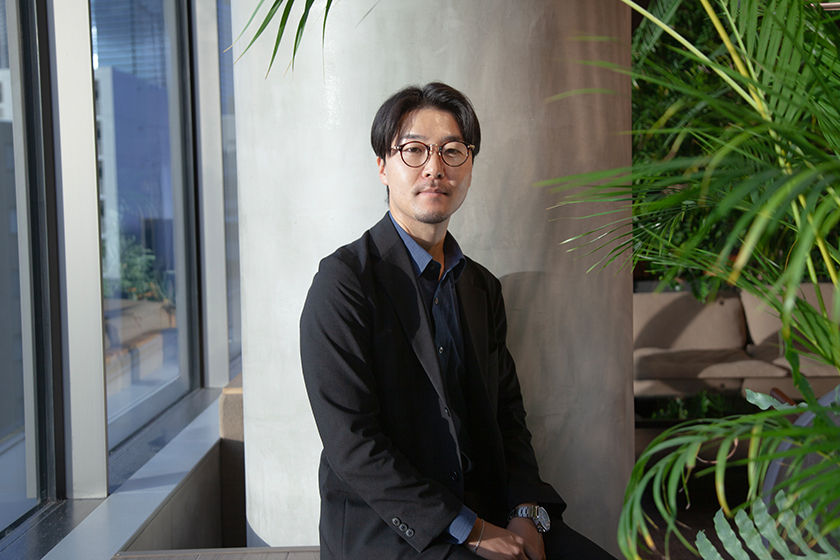
Avex Alliance & Partners Inc.
Shungo Morishita